Global Brief: Jul 13 – Jul 19
The US widened Iran oil sanctions, expanded terror designations, and reopened monument land to mining. China built an AI body instead. Two theories of power.


The week in brief. The United States widened its sanctions campaign against Iran's oil shipping network, adding more than fifty companies, people, and vessels. It stretched terrorism law at the same time, labeling two more Mexican cartels and opening a global campaign against what it calls left-wing terrorism. It also shrank two national monuments to open land for mining. China spent the week building instead of pressuring, founding a new international body to govern artificial intelligence. One government reached for tools of enforcement, and another built an institution.
The Week in Detail
Washington Widens Its Iran Sanctions to the Shadow Fleet
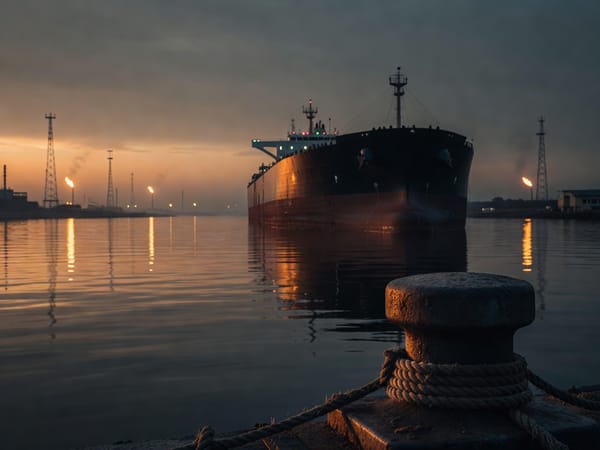
The US Treasury hit Iran's oil-export machinery with its largest sanctions action in months, targeting the network that moves the country's crude past existing restrictions. On July 14, the Office of Foreign Assets Control (OFAC) designated more than fifty individuals, entities, and vessels tied to Mohammad Hossein Shamkhani's shipping and sanctions-evasion network. The list reached financiers, shipping companies, and tankers that carry Iranian oil and containerized cargo, with connections to Russia and the Houthis in Yemen.
The same day, OFAC added nine individuals and twenty-six entities and vessels to its Specially Designated Nationals list. It also modified the listing for Iran's central bank to include new cryptocurrency addresses, linking the bank to the Islamic Revolutionary Guard Corps (IRGC) Qods Force and Hizballah. Treasury Secretary Scott Bessent said the action aimed to shut down the financial infrastructure supporting the Iranian regime.
Treasury framed the escalation as a response to Iran's resumed attacks in the Strait of Hormuz, and said it built on earlier designations in July 2025 and April 2026. A day before the sanctions, UN Secretary-General António Guterres had warned of renewed military confrontations in the Gulf, including Iranian attacks on ships in the strait and US strikes on Iran. He urged both sides back to negotiations.
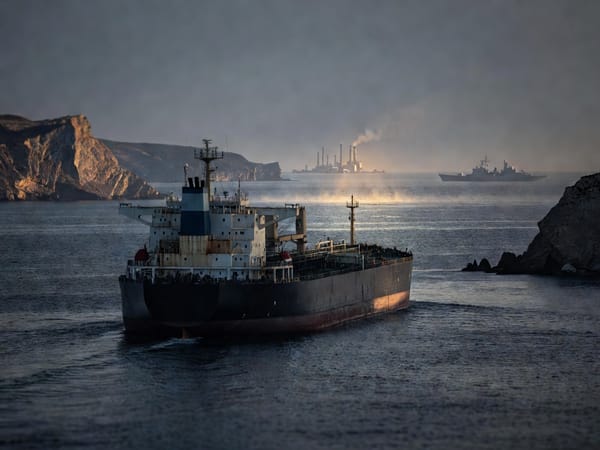
The strait carries close to a fifth of the world's seaborne oil. The sanctions try to choke off what officials call shadow fleets, older tankers that switch off their tracking systems to move sanctioned crude. When the pressure works, Iranian barrels get harder to sell. When the strait itself is contested, oil prices and shipping insurance rise, and that reaches drivers far from the Gulf.
Two Utah Monuments Shrink to Open Mining Ground
President Donald Trump cut two of Utah's national monuments to a fraction of their former size, reopening well over a million acres to mining and energy development. On July 13, one proclamation reduced Bears Ears from about 1.36 million acres to roughly 121,096, and another cut Grand Staircase-Escalante from about 1.87 million acres to about 181,541. The excluded lands, more than 2.9 million acres combined, will open to mining, mineral leasing, and grazing after sixty days.
The proclamations reversed the expansions President Biden signed in 2021 and echoed Trump's own reductions from 2017. The administration argued that the earlier designations protected generic landscapes and objects already covered by other federal laws, and that the reserved areas were larger than the Antiquities Act allows. The Bears Ears Commission was disbanded, and its advisory committee was restructured to add local and industry representatives.
The stated goal was access to domestic critical minerals. The proclamations named copper, uranium, cobalt, silver, and others as vital to national security, and cast the cuts as a way to reduce reliance on foreign suppliers. That framing links a domestic land fight to a global contest. The same minerals sit at the center of China's export-control leverage, and the White House presented the monuments as ground the country cannot afford to keep off-limits.
Terrorism Designations Become a Wider Tool
The administration stretched terrorism law in two directions this week, adding more Mexican cartels to the foreign-terrorist list and opening a campaign against what it labels left-wing terrorism. On July 16, the State Department designated the Juárez Cartel and Los Viagras as Foreign Terrorist Organizations and Specially Designated Global Terrorists. Secretary of State Marco Rubio cited past attacks, including the 2019 massacre of nine US citizens in Sonora, Mexico. The move followed the July 13 designation of Tren de Aragua, MS-13, and the Sinaloa cartel.
The same day, Rubio opened a ministerial with representatives from more than sixty countries to combat what the administration calls far-left political terrorism. He was joined by White House deputy chief of staff Stephen Miller and Bessent. Officials said the campaign builds on a presidential memorandum directing agencies to disrupt left-wing networks, and on the September 2025 designation of Antifa. Treasury said it would expand scrutiny of nonprofit and tax-exempt structures it suspects of illicit funding.
The following night brought a third use of security tools. In a primetime address on July 17, Trump released declassified documents that, according to the administration, showed Chinese election interference and the hacking of 220 million voter files. He said a Homeland Security review had identified 278,000 noncitizens registered to vote, reopened an FBI inquiry in Michigan, and pressed Congress to pass a bill requiring proof of citizenship. CIA Director John Ratcliffe confirmed the agency provided the documents. The claims came from government releases and have not been independently verified.
China Founds a New AI Body
As Washington reached for enforcement tools, Beijing built an institution. On July 16, twenty-nine countries signed an agreement in Shanghai to establish the World Artificial Intelligence Cooperation Organization (WAICO), an intergovernmental body headquartered in the city. Foreign Minister Wang Yi signed for China, and founding members included Russia, Pakistan, Kazakhstan, Laos, and Indonesia. Guterres attended the ceremony.
The next day, President Xi Jinping described the organization as a major move to unite the international community and answer the Global South's call for a say in how AI is developed and governed. Chinese officials cast WAICO as people-centered and rooted in UN Charter principles. The pitch is aimed at countries that feel shut out of the standards being written in Washington and Brussels, and it gives Beijing a seat at the head of a table it built.
What It Means
The week put two theories of power side by side. One government leaned on instruments it can wield alone, sanctions, terrorism designations, and executive proclamations, to pursue energy security, mineral independence, and domestic control. Another stood up a new institution and gathered founding members. Both are bets on how to shape a global order that no longer holds still.
The American tools share a logic. They work through denial rather than negotiation. Sanctions cut off financing, terrorist designations freeze assets and criminalize support, and a monument cut removes a legal protection to free up land. Each is fast, each can be done without a partner's consent, and each can be reversed with the next signature. That speed is the appeal, and it is also the limit.
Institutions move slower but set deeper. WAICO will matter only if its members write standards that others adopt, and that takes years to prove. The European Union spent the same week making a parallel wager, deepening defence-industrial integration with Ukraine and advancing its own rules on carbon markets and online child safety. Binding partners through membership and shared standards is a different route to influence than freezing an adversary out.
The critical-minerals thread ties the domestic story to the foreign one. Trump shrank the Utah monuments to mine copper and uranium at home for the same reason his administration squeezes Iran and courts leverage abroad, which is to depend less on anyone else. Whether pressure or institution-building proves the stronger hand, both are wagers on control at a moment when supply chains, shipping lanes, and the rules themselves are all in play.
What to Watch Next Week
Iran answers the sanctions: Tehran has resumed activity around the Strait of Hormuz before, and a fresh round of designations gives it reason to respond. Watch for new incidents involving tankers in the strait, statements from the IRGC, and any movement in oil prices or Gulf shipping insurance rates.
WAICO tries to grow: A body with twenty-nine founding members is only as strong as the ones it adds next. Watch for new countries signing on, the first working meetings or standards proposals out of Shanghai, and whether any US allies signal interest despite Washington's own AI push.
The monument cuts meet the courts: Trump's 2017 reductions drew years of litigation, and tribal nations and conservation groups have signaled they will fight again. Watch for lawsuits filed before the sixty-day window closes, statements from the disbanded Bears Ears Commission's former members, and any early mining or leasing claims on the excluded land.
Generated from structured event data extracted from official government and institutional sources. Not financial or legal advice.