Permaculture Principles for Any Space
Permaculture isn't just for farms. Learn how to apply its core design principles in apartments, balconies, and small urban spaces to build real self-reliance.


You Don't Need Land to Think Like an Ecosystem
Permaculture has an image problem. Mention the word and most people picture sprawling food forests, rural homesteads, and people in gumboots digging swales across hillsides. It's easy to assume the whole framework requires acreage.
It doesn't. Permaculture is a design philosophy — a set of thinking tools for creating systems that work with nature rather than against it. Those tools are just as useful in a two-bedroom apartment as they are on a five-acre farm. The space changes. The principles don't.
Developed by Bill Mollison and David Holmgren in Australia during the 1970s, permaculture rests on three ethics — care for the earth, care for people, and fair share — supported by 12 design principles that guide how we organise everything from gardens to households to communities. Here's how to apply the most relevant of those principles in small and indoor spaces.
Observe and Interact — Before You Buy a Single Plant
The first permaculture principle is observation, and it's the one most beginners skip. Before purchasing seeds, pots, or grow lights, spend at least a week watching your space. Where does sunlight fall at different times of day? Which windowsills get direct light, and for how long? Where does warm air collect near appliances, and where are the draughty spots?
These microclimates matter. A south-facing windowsill that gets six hours of direct sun is a completely different growing environment from a north-facing kitchen shelf. Mapping your light, temperature, and airflow patterns before planting anything will save you money and dead plants.
In practical terms: grab a notebook and sketch your floor plan. Mark where light hits at morning, midday, and evening. Note the warmest and coolest corners. This ten-minute exercise is the foundation everything else builds on.
Catch and Store Energy — Work With What You Already Have
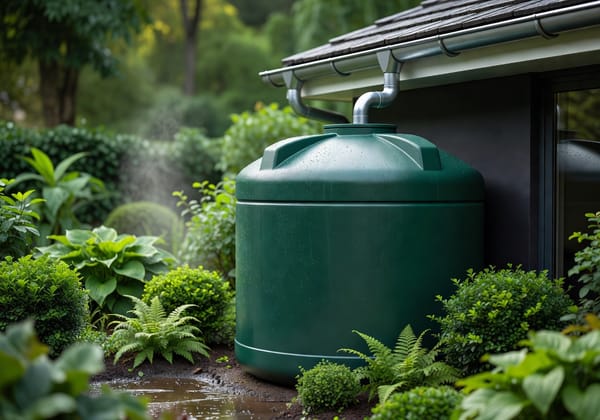
In a rural setting, this principle often refers to rainwater harvesting or passive solar design. In an apartment, it means capturing resources that would otherwise go to waste.
Kitchen scraps are energy. Rather than sending vegetable peels, coffee grounds, and eggshells to landfill, a small worm bin or bokashi bucket turns them into rich compost for your containers. Vermicomposting — using red wiggler worms in a compact bin — works well indoors and produces both worm castings (a superb fertiliser) and liquid feed for your plants.
Water from washing vegetables is energy. Instead of pouring it down the drain, collect it in a jug and use it to water your plants. The same goes for cooled cooking water from pasta or boiled eggs, which contains trace nutrients.
Even sunlight streaming through a window is energy you can catch. Positioning a few containers of herbs or salad greens in that light turns otherwise unused photons into food.
Produce No Waste — Close the Loops in Your Home
This is where permaculture starts to feel less like gardening and more like a complete household philosophy. The principle asks: can every output from one system become the input for another?
In practice, a small closed loop might look like this: you cook a meal, the vegetable scraps go into a worm bin, the worm castings feed your potted herbs, and those herbs season your next meal. Nothing leaves the cycle.
Beyond food, think about packaging. Cardboard egg cartons become seed-starting trays. Glass jars store dried herbs or fermented foods. Worn-out cotton t-shirts become ties for supporting climbing plants. The goal isn't perfection — it's building the habit of asking "what else could this become?" before something hits the bin.
Use Small and Slow Solutions — Start With a Windowsill
One of Holmgren's most underappreciated principles, this one directly counters the temptation to go big on day one. In permaculture, small systems are easier to maintain, easier to learn from, and more resilient than large ones.
For apartment dwellers, this is liberating. You don't need a full balcony garden to start. A single pot of basil on a sunny windowsill is a permaculture system. It catches solar energy, produces food, and teaches you about watering, light requirements, and plant health — all within a space smaller than a dinner plate.
Once that's working, add a second pot. Try mint, spring onions, or lettuce. Expand only when the current system is stable. This incremental approach builds genuine skill rather than the overwhelm that comes from setting up twelve containers at once and watching half of them fail.
Integrate Rather Than Segregate — Stack Functions
In nature, every element serves multiple purposes. A tree provides shade, habitat, food, and soil protection simultaneously. Permaculture design tries to mimic this by making each element in a system serve more than one function.
In a small space, think about stacking. A vertical herb planter mounted on a kitchen wall produces food, improves air quality, and adds visual appeal — three functions from one element. A fish tank with aquatic plants provides a pet habitat, a source of nutrient-rich water for your plants, and a calming visual feature.
Companion planting works in containers too. Growing basil alongside tomatoes in the same large pot can help repel certain pests while maximising limited space. Pairing nitrogen-fixing plants like peas with leafy greens that benefit from extra nitrogen creates a small, self-supporting guild — even in a window box.
Use and Value Diversity — Don't Plant the Same Thing Everywhere
Monocultures are fragile. If you grow only basil and a disease hits, you lose everything. Growing a diverse mix of herbs, salad greens, microgreens, and even a dwarf fruit tree on a balcony creates resilience. If one crop struggles, others carry on.
Diversity also applies beyond plants. A home that practices permaculture thinking diversifies its food sources — growing some herbs, sprouting seeds on the kitchen counter, fermenting vegetables, and supporting local growers through farmers' markets or community-supported agriculture boxes. No single point of failure.
Apply the Principles Beyond the Garden
Here's what most permaculture guides miss: the 12 principles aren't just about plants. They're thinking frameworks that apply to how you manage energy, money, time, and relationships.
Observe and interact applies to understanding your household energy use before buying expensive gadgets. Catch and store energy applies to building an emergency fund or learning a new skill while you have the time. Produce no waste applies to meal planning that eliminates food waste. Use small and slow solutions applies to building any new habit incrementally rather than through dramatic overhauls that don't stick.
Permaculture, at its core, is about designing systems — any systems — that are resilient, efficient, and regenerative. Your apartment is a system. Your daily routine is a system. Your household budget is a system. The principles work on all of them.
Where to Start This Week
If you're reading this from an apartment or a home without much outdoor space, here are five things you can do in the next seven days:
- Map your microclimates. Spend three days noting where sunlight hits your windows and for how long. Sketch it out.
- Start a scrap collection. Keep a small container in the kitchen for vegetable scraps, coffee grounds, and eggshells. Research whether a worm bin or bokashi system suits your space.
- Plant one thing. A pot of basil, a jar of sprouting lentils, or a tray of microgreens. Keep it small and observe what happens.
- Audit one waste stream. Pick one category — food waste, packaging, or water — and track it for a week. Look for one loop you could close.
- Read the principles. David Holmgren's Essence of Permaculture is available as a free PDF and covers all 12 principles in accessible detail.
Permaculture isn't a lifestyle reserved for people with land. It's a way of thinking that makes any space — and any life — more resilient, productive, and connected to the systems that sustain us.