Building a Resilient Pantry: 12 Foods That Last Indefinitely
Learn which shelf-stable foods can anchor your food security strategy, how to store them properly, and why understanding food preservation builds genuine independence.


Food security isn't just an emergency concept—it's a fundamental aspect of personal resilience. Understanding which foods last indefinitely and how to store them properly gives you options when supply chains falter, prices spike, or your circumstances change unexpectedly.
This isn't about doomsday bunkers or survival fantasies. It's about practical knowledge that reduces your dependence on just-in-time delivery systems and gives you genuine control over a basic human need. The foods covered here form the foundation of a sensible food storage strategy that serves you whether you're weathering a job loss, a natural disaster, or simply want to reduce grocery trips.
Why Some Foods Last Forever
Before diving into specific foods, understanding the science helps you store anything more effectively. Foods spoil when microorganisms (bacteria, mold, yeast) break them down. These organisms need three things to survive: moisture, moderate temperature, and nutrients they can access.
Foods that last indefinitely typically lack one or more of these elements. They're either too dry for microbial growth, create chemically hostile environments, or are stored in ways that exclude air and contaminants. This isn't magic—it's applied food science that anyone can use.
The Foundation: Water and Staples
1. Purified Water
Water doesn't spoil, but its container can degrade. The FDA doesn't require expiration dates on bottled water because water itself—pure H₂O—is chemically stable. The "expiration" dates you see reflect when manufacturers can guarantee the bottle's integrity, not the water's safety.
The real concern: Plastic bottles exposed to heat (above 25°C/77°F) can leach microplastics, BPA, and other chemicals into water. Research from the National Center for Biotechnology Information shows that water stored in hot environments accumulates significantly more microplastics than water kept cool.
Proper storage:
- Keep bottles in cool, dark locations below 25°C
- Avoid garages, car trunks, or areas with temperature fluctuations
- Store away from gasoline, paint, or strong-smelling chemicals (plastic is porous)
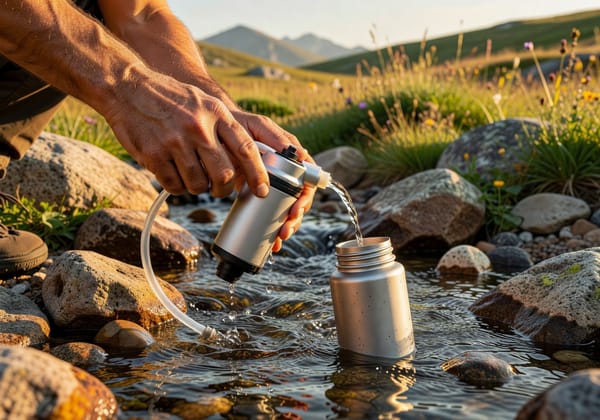
- For long-term storage, glass or stainless steel containers are superior
- Discard bottles that are swollen, leaking, or have developed odors
The standard recommendation is one gallon per person per day, with at least a three-day supply for emergencies. A two-week supply provides genuine security during extended disruptions.
2. Pure Salt (Non-Iodized)
Salt is a mineral—sodium chloride—with no biological components. Bacteria can't eat it, and it doesn't support microbial life. In fact, salt actively prevents spoilage by pulling moisture out of food through osmosis, creating environments where bacteria cannot survive.
Why pure salt matters: Iodized salt or salt with anti-caking agents can discolor or develop off-flavors over time as those additives degrade. Pure varieties (sea salt, kosher salt, pink Himalayan salt) remain stable indefinitely.
Common mistakes:
- Using oxygen absorbers with salt (unnecessary and can trap moisture)
- Vacuum sealing (can cause clumping when pressure changes)
- Storing in humid environments without tight sealing
Proper storage: Keep in airtight containers in dry locations. That's it. When stored correctly, salt serves multiple purposes beyond seasoning—it preserves other foods, aids wound cleaning, and can create electrolyte solutions.
3. White Sugar
Sugar's preservation mechanism is the opposite of salt's. Rather than pulling water out, sugar binds water molecules so tightly within its crystalline structure that microorganisms can't access it. This process, called "water activity reduction," effectively starves bacteria and mold.
Why it lasts: Pure sucrose contains no protein, no fat, and no free water. There's simply nothing for bacteria to consume or use for growth.
Common mistakes:
- Storing with oxygen absorbers (sugar doesn't need oxygen protection, and absorbers can trap moisture, causing clumping)
- Keeping near strong-smelling spices (sugar absorbs odors readily)
- Assuming clumped sugar is spoiled (it's not—just dried incorrectly)
Proper storage: Dry, airtight containers away from aromatic foods. If sugar clumps, gentle heating or a few minutes in low humidity will restore it. Beyond cooking, sugar can help preserve fruits, provide quick energy, and make oral rehydration solutions when combined with salt.
4. Pure Honey
Honey found in Egyptian tombs dating back over 3,000 years was still chemically stable—a testament to its unique preservation properties. Honey's remarkable longevity comes from three factors: extremely low water content (around 17-18%), high acidity (pH 3-4.5), and natural enzymes that produce small amounts of hydrogen peroxide.
Why it lasts: The combination of low water activity and acidity creates an environment where virtually nothing can grow. Bees are remarkably efficient food preservation engineers.
What about crystallization: Crystallized honey hasn't spoiled—it's simply following its natural tendency. Gentle warming (below 40°C/104°F to preserve enzymes) returns it to liquid form.
Critical storage requirement: Keep water out. Even small amounts of moisture can trigger fermentation by activating natural enzymes. Store in tightly sealed containers in cool, dry locations.
Beyond sweetness: Raw honey has documented antimicrobial properties useful for treating minor wounds, can soothe sore throats, provides quick energy, and serves as a preservation medium for fruits.
5. White Vinegar (5% Acidity)
Vinegar is acetic acid in water—a solution so acidic that bacteria cannot survive in it. At 5% acidity or higher, vinegar is self-preserving and actually preserves other foods through pickling.
Proper storage: Tightly sealed bottles in cool, dark locations. Cloudiness or sediment that develops over time (called "mother of vinegar") is harmless bacterial cellulose—not spoilage.
Practical uses: Cleaning, food preservation, pH adjustment for canning, and as a mild disinfectant. Its versatility makes it valuable beyond the kitchen.
Protein and Energy Sources
6. Dried Beans and Legumes
Beans have sustained civilizations through famines, wars, and economic collapses. Their durability stems from near-zero moisture content (around 10-12%) and lack of oils that turn rancid. No moisture, no fat, no habitat for bacteria.
Long-term changes: Older beans become harder and take longer to cook, but retain nutritional value. Some extremely old beans (decades) may never fully soften, but remain edible and nutritious.
Proper storage:
- Airtight containers in cool, dry, dark locations
- Away from direct floor contact (which can introduce moisture)
- Separate from strong-smelling foods
- Monitor for moisture—any dampness can trigger mold
Nutritional value: Combined with rice or grain, beans provide complete protein with all essential amino acids. They're also rich in fiber, iron, and B vitamins.
7. White Rice
White rice outlasts brown rice specifically because it's been processed to remove the bran and germ—the parts that contain oils which eventually go rancid. What remains is almost pure starch with minimal moisture.
Why brown rice doesn't last: The oils in the bran layer oxidize within 6-12 months even with proper storage. White rice can last decades.
Proper storage:
- Airtight containers with oxygen absorbers
- Cool, stable temperatures (below 21°C/70°F ideal)
- Protected from light and moisture
- Add bay leaves to deter insects (traditional but effective)
Practical note: A few rice weevils don't make rice dangerous—just annoying. Freezing rice for 72 hours before storage kills any eggs. Alternatively, oxygen absorbers eliminate the air insects need to develop.
8. Dried Pasta
Commercially dried pasta (not fresh pasta) lasts indefinitely because drying reduces moisture content below 12%—the threshold where bacteria and mold can't survive. The extrusion and drying process is essentially preservation through dehydration.
Proper storage:
- Airtight containers (original packaging eventually fails)
- Dry, cool locations
- Away from strong odors (pasta absorbs smells)
Quality vs. safety: Old pasta may become brittle or lose flavor but remains safe to eat. The "best by" date reflects quality, not safety.
9. Rolled Oats
Rolled oats undergo steaming and flattening, which reduces moisture and makes them more stable than whole oat groats. They contain less oil than many whole grains, reducing rancidity risk.
Critical factor: Moisture control. Even slight dampness spreads mold rapidly through grains. Mycotoxins produced by mold aren't eliminated by cooking, making moldy grains unsafe.
Proper storage: Sealed, dry containers away from light and aromatic foods. Check periodically for any moisture or off-smells.
Versatility: Oats work as porridge, baking flour replacement, energy bars, or even as a milk substitute (oat milk) when fresh dairy isn't available.
10. Canned Meat and Fish
Canning creates a sterile environment through high heat that kills all microorganisms, then seals that environment completely. As long as the seal remains intact, the contents remain safe indefinitely.
Understanding dates: "Best by" dates on canned goods indicate peak quality, not safety. Research from the USDA shows properly canned foods remain safe for years past these dates.
Storage requirements:
- Inspect cans regularly: discard if swollen, deeply dented (which can compromise seals), or rusted through
- Cool, dry storage (heat can degrade quality faster)
- Rotate stock, but don't discard good cans just because they've passed arbitrary dates
When cans fail: Bulging indicates bacterial growth producing gas—discard immediately. Small dents on sides are generally safe; dents on seams or rims risk compromising the seal.
11. Powdered Milk
Modern spray-drying technology removes nearly all moisture from milk (down to 2-3%), creating a powder that bacteria can't use. Fats are stabilized in dry form, preventing the rapid rancidity seen in liquid milk.
The catch: Once opened and exposed to air, moisture begins rehydrating the powder. Humid environments accelerate this process, eventually leading to clumping and potential mold.
Proper storage:
- Sealed in original packaging or airtight containers
- Cool, dark, dry locations
- Consider vacuum-sealing portions after opening the main package
- Once reconstituted, treat like regular milk (refrigerate, use within days)
Nutritional note: Powdered milk provides protein, calcium, and vitamins when fresh options aren't available—particularly important for children, elderly, and those with increased nutritional needs.
12. Dried Corn (Whole Kernels)
Whole corn kernels, when properly dried, are nearly as durable as wheat berries. The key is achieving and maintaining moisture content below 14%.
Uses: Ground into cornmeal or masa, cooked as hominy, or popped. Requires grinding equipment or extended cooking for most preparations.
Proper storage: Airtight containers with oxygen absorbers in cool, dry conditions. Monitor for moisture and insect activity.
Building Your Storage Strategy
Having identified foods that last, the next question is how much to store and how to actually use these supplies.
Start with usage patterns: Calculate how much of these foods you currently eat in a month. A realistic food storage plan builds on what you already consume, not theoretical survival rations. If you don't normally eat dried beans, stockpiling 50 pounds makes little sense.
The rotation principle: Store what you eat, eat what you store. Date containers and rotate stock regularly. Foods that last "forever" still maintain better quality when used within a few years and replaced.
Diversification matters: Don't put all resources into one food type. A variety of grains, proteins, and preservation methods creates resilience against different failure modes—whether that's insect infestation, container failure, or simple burnout from repetitive meals.
Storage conditions make the difference: The same food stored in a hot, humid garage fails in months while lasting decades in a cool, dry basement. Invest in proper containers, use oxygen absorbers where appropriate, and monitor storage areas.
Skills matter as much as stocks: Knowing how to prepare dried beans, make bread from stored grains, or pressure-can your own foods multiplies your options. Food storage without food preparation knowledge leaves you dependent on processed, ready-to-eat items.
Beyond Emergency Prep
Food storage becomes more valuable when it serves multiple purposes beyond crisis preparation:
Economic buffer: A well-stocked pantry means you can wait for sales, buy in bulk when prices are favorable, and weather income disruptions without immediate grocery runs.
Time savings: Having staples on hand reduces shopping frequency and enables batch cooking—cooking once and eating multiple times.
Dietary control: You control ingredients, additives, and quality when cooking from basic ingredients rather than depending on processed foods or restaurants.
Psychological benefit: Food security reduces ambient anxiety about "what if" scenarios. You've handled one basic need competently.
Common Pitfalls to Avoid
Buying and forgetting: Food storage requires periodic inspection, rotation, and occasional replacement. Set reminders to check storage areas quarterly.
Inadequate containers: Original packaging often fails long before the food does. Invest in quality airtight containers, food-grade buckets with gamma seal lids, or vacuum-sealed bags.
Ignoring pests: Insects can devastate grain storage. Freezing grains before storage kills eggs. Oxygen absorbers eliminate the air insect larvae need. Bay leaves offer additional deterrence.
Temperature fluctuations: Heat accelerates degradation of even stable foods. Basements are typically better than garages or attics. Consistent, cool temperatures extend storage life dramatically.
Storing what you don't eat: If your family won't eat something during normal times, they probably won't eat it during stressful times. Build storage around familiar foods you already know how to prepare.
Neglecting water: All the dried goods in the world won't help without water to rehydrate and cook them. Water storage deserves as much attention as food storage.
Practical First Steps
If you're starting from scratch, building food security is a marathon, not a sprint:
Week 1-2: Inventory what you already have. Calculate how long your current supplies would last. Identify gaps in basics like water, grains, and protein sources.
Month 1: Add storage-friendly versions of foods you already eat regularly. Buy an extra bag of rice, can of beans, or package of pasta each shopping trip.
Month 2-3: Invest in proper storage containers. Transfer foods from original packaging into airtight containers. Label with contents and date.
Month 4-6: Expand to include preserved proteins (canned fish, dried beans), varied grains, and adequate water storage. Begin learning preparation techniques for unfamiliar items.
Ongoing: Rotate stock, maintain inventories, replace used items, and expand skills. Food storage is a system, not a one-time purchase.
The Bigger Picture
Understanding food preservation connects you to knowledge humans have developed over millennia. Salt curing, fermentation, drying, and canning aren't survival tricks—they're fundamental food science that industrialized societies have largely outsourced to corporations.
Relearning these principles gives you genuine options. You're less vulnerable to supply disruptions, price manipulation, or product recalls. You understand what you're eating and where it comes from. You can help others during difficult periods rather than competing for scarce resources.
Food security isn't paranoia—it's one pillar of a more resilient, self-directed life. These twelve foods provide a starting foundation, but the real value lies in understanding the principles behind them. Once you understand why salt preserves, how low moisture prevents spoilage, and what makes some foods chemically hostile to bacteria, you can evaluate any food's storage potential and make informed decisions.
That knowledge, more than any specific stockpile, is what builds genuine independence.
Key Takeaways
- Foods last indefinitely when they lack moisture, contain natural preservatives, or are stored in sealed, sterile environments
- Proper storage conditions (cool, dry, dark, airtight) matter more than the food itself
- Start with foods you already eat and know how to prepare
- Rotation prevents waste—storage isn't a one-time purchase but an ongoing system
- Skills in food preparation and preservation multiply your options
- Food security serves multiple purposes: economic buffer, time savings, dietary control, and reduced anxiety
Build your food storage incrementally, focusing on quality storage conditions and practical rotation. The goal isn't a bunker full of emergency rations—it's a well-managed pantry that reduces your dependence on just-in-time supply chains while serving your actual dietary needs.