Bartering and Value Exchange Beyond Money
Learn how to assess value, negotiate fair trades, and build reciprocal exchange networks — practical bartering skills that work in any economy.


Most of us operate inside a single system of exchange: earn money, spend money, repeat. It works — until it doesn't. Supply chain disruptions, inflation, job loss, or even a tight month can remind you how fragile a cash-only mindset really is. But there's an older, more flexible system sitting right alongside the monetary one, and most people have forgotten how to use it.
Bartering — the direct exchange of goods, skills, and services without money changing hands — isn't a relic of pre-industrial society. It's a living, practical skill used by millions of people worldwide, from rural communities to professional networks. Learning how to assess value, negotiate fair trades, and build reciprocal relationships gives you options that no savings account can replicate.
Why Bartering Still Matters
Money is a tool, and a good one. But it has limitations that become obvious during economic stress. During the 2008 financial crisis, time banks and barter exchanges saw significant membership increases as people looked for alternatives when cash was scarce. In Greece's prolonged austerity period, local exchange networks grew rapidly in cities like Volos and Thessaloniki.
Even outside crisis conditions, bartering fills gaps that money can't. Your neighbour might fix your leaking tap in exchange for help building their garden shed. A freelance designer might trade a logo for accounting services. These exchanges save cash, build community bonds, and develop the negotiation skills that serve you well everywhere — including salaried work.
The point isn't to replace money. It's to stop treating it as your only option.
Understanding Value Without Price Tags
The hardest part of bartering isn't finding someone willing to trade. It's accurately assessing the value of what you're offering and what you're receiving. Without a dollar figure attached, most people struggle.
Here's a practical framework for thinking about non-monetary value:
Time investment. How many hours does the task, product, or service require? A rough hourly equivalence is the simplest starting point, even if you never mention a number out loud.
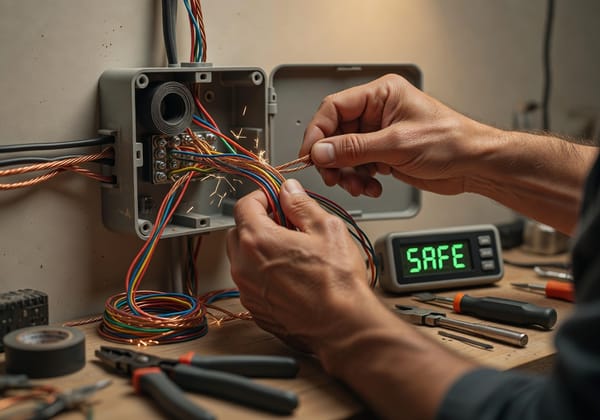
Skill scarcity. A common skill (mowing a lawn) carries less trade value than a rare one (rewiring an electrical panel). If what you offer requires years of training or specialised tools, that's worth more in any exchange.
Material costs. If the trade involves physical goods or raw materials, factor in what those cost to acquire. Baking someone a birthday cake involves flour, butter, and time — not just time.
Urgency and convenience. Someone who needs their car jumpstarted at 11pm values your help differently than they would at noon on a Saturday. Context shapes value.
Subjective worth. A hand-knitted scarf might take eight hours to make, but its value to the recipient depends on whether they appreciate handmade goods. Matching your offer to someone who actually wants it is half the skill.
Practice assessing value in everyday situations. When a friend helps you move, what was that worth? When you spend a Saturday teaching someone a skill, what would fair compensation look like? Training your brain to think in these terms makes you far more effective in any negotiation.
Building a Tradeable Skill Set
Not all skills are equally useful in barter economies. The most tradeable skills tend to share three characteristics: they solve common problems, they're hard to do without training, and they produce visible results.
High-value trade skills include:
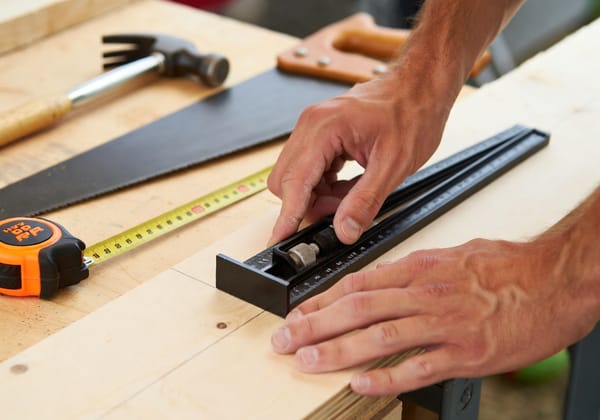
- Home repair and maintenance (plumbing, electrical, carpentry)
- Vehicle maintenance and repair
- Food production (baking, preserving, gardening)
- Technology skills (computer repair, website building, data recovery)
- Health and wellness (massage therapy, personal training, first aid instruction)
- Teaching and tutoring (languages, music, academic subjects)
- Creative services (photography, graphic design, sewing and alterations)
You don't need to master all of these. One or two solid skills that you can reliably deliver at a high standard will carry you further than a dozen half-learned ones. The key is identifying what people around you actually need and investing in getting genuinely good at providing it.
If you're unsure where to start, pay attention to what people in your community regularly pay for and ask yourself whether you could learn to provide that service through direct exchange instead.
The Mechanics of a Good Trade
A successful barter isn't just two people swapping things. It requires clear communication, agreed terms, and mutual satisfaction. Here's how to structure a trade that works for both sides.
Propose Clearly
Vague offers create confusion. Instead of "I'll help you with your garden sometime if you fix my computer," try: "I'll spend Saturday morning — about four hours — weeding and mulching your garden beds. In return, could you back up my hard drive, remove malware, and set up my new printer?" Specificity prevents resentment.
Agree on Scope and Timeline
Define what "done" looks like for both sides before you start. How many hours? What deliverables? By when? A handshake deal is fine, but both parties should be explicit about expectations. Write it down if the exchange is significant.
Deliver First or Simultaneously
Trust is the currency of barter. If you can, deliver your side first or arrange simultaneous exchange. This builds goodwill and establishes you as someone reliable — which matters enormously if you want to trade again in the future.
Handle Imbalances Honestly
Not every trade is perfectly equal, and that's fine. If someone's contribution is clearly worth more, acknowledge it openly. You can balance things with a smaller additional favour, a promise of future help, or simply honest gratitude. Pretending an unequal trade is fair erodes trust fast.
Scaling Up: Barter Networks and Time Banks
Individual trades work well, but organised barter networks multiply your options dramatically. There are two main models worth knowing about.
Barter exchanges operate like marketplaces. Members list what they offer and what they need. Some use a points system — you earn credits by providing services and spend them on receiving services from other members. This solves the classic "double coincidence of wants" problem (needing to find someone who has what you want and wants what you have at the same time).
Time banks take a more egalitarian approach. Every hour of service is worth one time credit, regardless of what the service is. One hour of legal advice equals one hour of dog walking. The philosophy is that everyone's time has equal inherent value. This model is particularly strong for building community connections across economic lines.
Both models exist online and in-person. Platforms like hOurworld coordinate time banks in dozens of countries. Local Facebook groups, community boards, and neighbourhood apps often have informal barter activity happening already.
Common Pitfalls and How to Avoid Them
Bartering has real downsides if you approach it carelessly.
Overcommitting. It's easy to agree to more trades than you can fulfil, especially when no money is involved and the exchange feels casual. Track your commitments the same way you'd track paid work.
Tax implications. In many jurisdictions, bartered goods and services are technically taxable income. The rules vary widely by country and amount, but it's worth understanding your local regulations, especially for larger or recurring exchanges.
Relationship strain. Mixing personal relationships with transactional exchanges can create tension. Be especially careful with close friends and family — clear expectations matter even more when the relationship is important to you.
Quality disputes. Without a payment to withhold, resolving quality problems can be awkward. Agreeing on standards upfront and choosing trade partners with good reputations helps prevent this.
Key Takeaways
- Bartering is a practical, living skill — not a nostalgic concept. It gives you flexibility when cash is tight and strengthens community ties regardless of economic conditions.
- Learn to assess value without price tags by considering time, skill scarcity, materials, urgency, and subjective worth.
- Invest in developing at least one or two high-value, tradeable skills that solve real problems in your community.
- Structure trades with clear terms, defined scope, and honest handling of imbalances.
- Explore organised barter networks and time banks to multiply your exchange options beyond one-to-one trades.
The ability to create and exchange value without relying entirely on money is one of the most resilient skills you can develop. Start small — offer to trade a skill you have for one you need — and pay attention to what you learn about negotiation, value, and trust in the process. Those lessons transfer to every part of your life.